Research and Writing
Some people find their research through abstract intellectual curiosity. Mine found me in the most intimate corners of my own life, because the line between the personal, professional, and political has always been blurred.
Much of my work has been a journey to understand the boundaries that families, communities, and nations construct around difference, particularly around who we can love, what unions are allowed, and which families are recognized.
For me, these are not abstract sociological questions. They are the questions that organize social life at its most fundamental level, and they have consequences that range from the deeply personal to the structurally devastating.
I have never studied these questions from a safe distance. The borders I write about, the ones families draw around race, love, and belonging, are borders I have navigated in my own life, among my own kin. My children exist at the intersection of everything my research examines. That is not incidental. It is the reason the work has always felt urgent and always will.
Across nearly three decades, that journey has taken me to 18 countries, deep into popular culture and media, into the living rooms of interracial couples, around the table in different communities, and into the painful and persistent reality that desire is never just personal; it is always political. What do the borders we draw around sex, love, and marriage tell us about the society we have built? That question has never changed. Only the angle from which I have approached it.
My work sits at the place where race, gender, sexuality, and other dimensions of identity shape our most fundamental experiences, in the families we form, the media we consume, the educational institutions that tell us what is possible, and the unspoken hierarchies that govern who and what our societies teach us to want.
Tracing how race writes itself into the intimate corners of human life is not a comfortable project, but it is a necessary one. Three books mark the major waypoints of that journey, each one a different angle on the same contested terrain.
Books
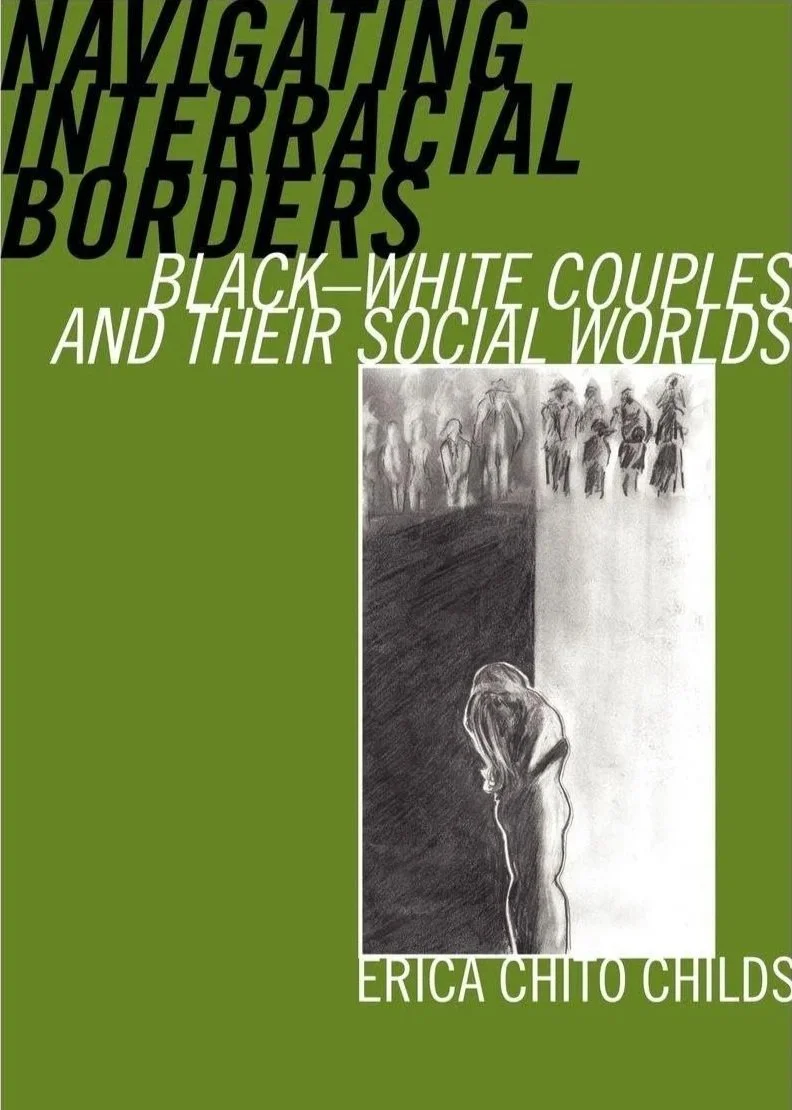
Navigating Interracial Borders
This is where the journey began, and in many ways it set the terms for everything that followed. The book examines how interracial couples navigate the racial borders embedded in families, communities, and social institutions, and what their experiences reveal about the enduring power of racial ideology in everyday American life. Through interviews in white and Black communities across college campuses, religious institutions, and community centers, I detail the collective attitudes toward interracial sex and marriage, and the underlying significance that even the possibility of mixing carries across different communities.
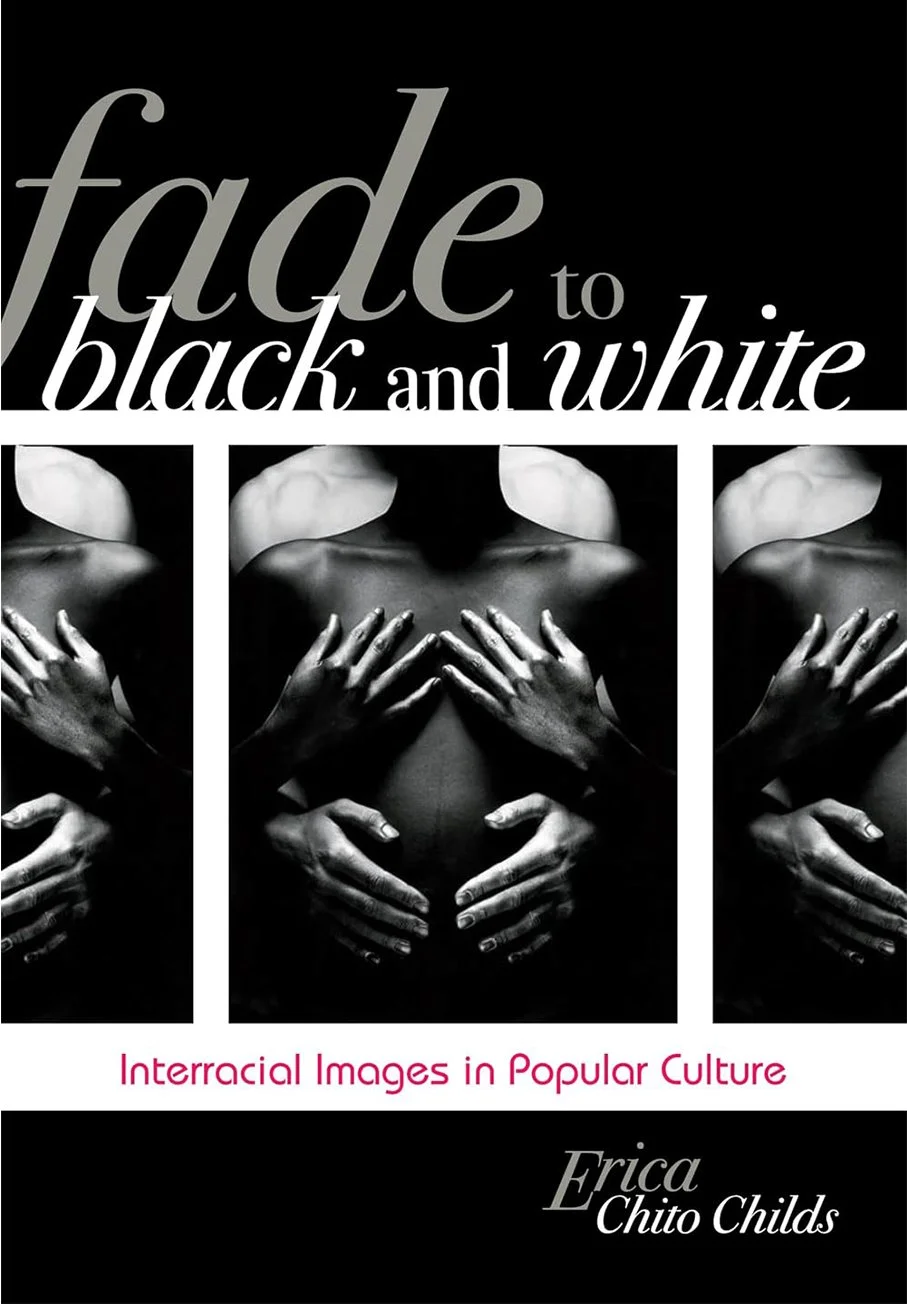
Fade to Black and White: Interracial Couples in Popular Culture
If the first book asked what happens in families and communities, this one asked what happens on screens. From Hollywood films and television to advertising and social media, I examined how popular culture represents, distorts, celebrates, and polices interracial relationships, and how racial ideology gets encoded in the stories we tell ourselves about love across the color line. What we see on screen is never accidental. It shapes the very real lives of different racial groups, teaching us something profound about who belongs together and who does not, and why those lessons are so difficult to unlearn.
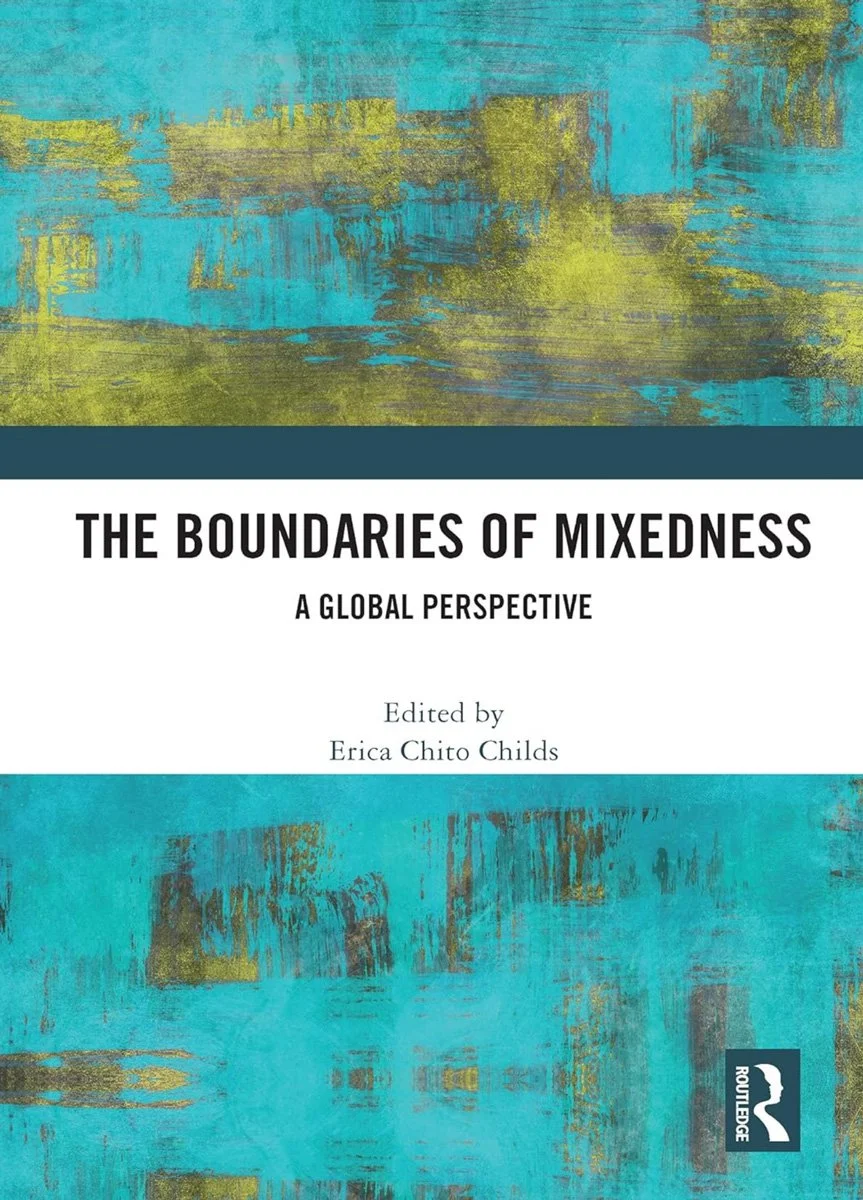
The Boundaries of Mixedness: A Global Perspective
This edited collection took the question out of the American context entirely and asked what happens when you examine mixedness and multiracialism across different national and cultural settings. Bringing together scholars from around the world, the book asks what is universal about the boundaries societies draw around racial mixture and what is distinctly local. What emerged was both humbling and clarifying: the specific forms change, the languages differ, the histories diverge, but the impulse to draw lines around who can mix with whom turns out to be remarkably consistent across vastly different societies. That consistency is itself a finding worth sitting with.
Hierarchies of Desire (coming soon)
Hierarchies of Desire is in many ways the book I have been writing my whole career without knowing it. Combining a global examination of race, power, and the politics of desirability with deeply personal tales, the reader is brought on a journey through how societies produce and rank who is seen as beautiful, marriageable, desirable, and worthy of love. These hierarchies are not natural or accidental. They are structural, they are global, and they are hiding in plain sight. It is the most ambitious work of my career. I cannot wait to share it.
Selected Publications
Who Gets to Shape AI? Why Higher Ed Must Ground Emerging Technology in the Humanities | The EDU Ledger (Jun 20, 2026)
Looking Behind the Stereotypes of the “Angry Black Woman”: An Exploration of Black Women’s Responses to Interracial Relationships | Gender & Society, Vol. 19, No. 4, 544-561 (2005)
In academic research on interracial relationships, as well as popular discourses such as film and television, Black women are often characterized as angry and opposed to interracial relationships. Yet the voices of Black women have been largely neglected. Drawing from focus group interviews with Black college women and in-depth interviews with Black women who are married interracially, the author explores Black women’s views on Black-white heterosexual relationships. Black women’s opposition to interracial dating is not simply rooted in jealousy and anger toward white women but is based on white racism, Black internalization of racism, and what interracial relationships represent to Black women and signify about Black women’s worth. The impact of racism and sexism are clear, with Black women devalued by white standards of beauty and faced with a shortage of available Black men and a lack of “substantive opportunities” to date interracially.
Can We Ignore the Perspective of Black Women on Their Own Experience? A Response to Jeffries, with Reference to Takara
Selected Book Chapters
“What’s class got to do with it?” in Multiracial Americans and Social Class
Edited by Kathleen Korgen. (Routledge 2010)
“Raising Biracial Children: The Experiences of Black Married Fathers” in The Myth of the Missing Black Father
Chapter by Erica Chito Childs and Heather Dalmage. Edited by Roberta Coles and Charles Green. (Columbia University Press 2009)
“Revisiting Black Sexualities in Families” in Black Sexualities: Probing Powers, Passions, Practices, and Policies
Chapter by Erica Chito Childs, Stephanie Laudone and LaToya Tavernier. Edited by Juan Battle and Sandra Barnes (Rutgers University Press 2010)
“Black and White: Family Opposition to Becoming Multiracial” in Mixed Messages: Multiracial Identities in the ‘Color-Blind’ Era
Pages 233-248. Edited by David Brunsma. (Lynne Rienner Publishers 2006)
“Multirace.com: Multiracial Cyberspace,” The Politics of Multiracialism
Edited by Heather Dalmage. (SUNY Press 2004)
More
Journal Articles
Chapters in Edited Volumes
Presentations