About
For me, the personal and the scholarly have never occupied separate rooms. Everyone has an origin story—a why behind the winding path they took.
Mine begins at a kitchen table, in a house where I learned that belonging has to be fought for, even among family.
From early on I understood that the borders societies draw around race, identity, and who belongs together were not abstractions. They were personal. And I learned, just as early, that I was not willing to accept them, no matter where they were drawn, or by whom. That refusal has shaped everything that followed.
As the youngest of eight, I came of age in Southern California, the last chapter of a family story that began in New England and stretched back to Portugal and Brazil.
I was the first to attend and graduate from college, and my time as an undergraduate at San Jose State University opened my mind in ways I am still discovering. But graduate school was never the plan. I assumed my education journey had reached its end.
Then, just a few months after graduating, my brother Chris died tragically from a drug overdose on Venice Beach. Grief does strange and sometimes clarifying things to a person. It propelled me urgently and unexpectedly to apply to graduate school. I packed up my life and moved across the country to the Bronx to pursue a PhD in Sociology at Fordham University, carrying my brother's memory with me like a compass.
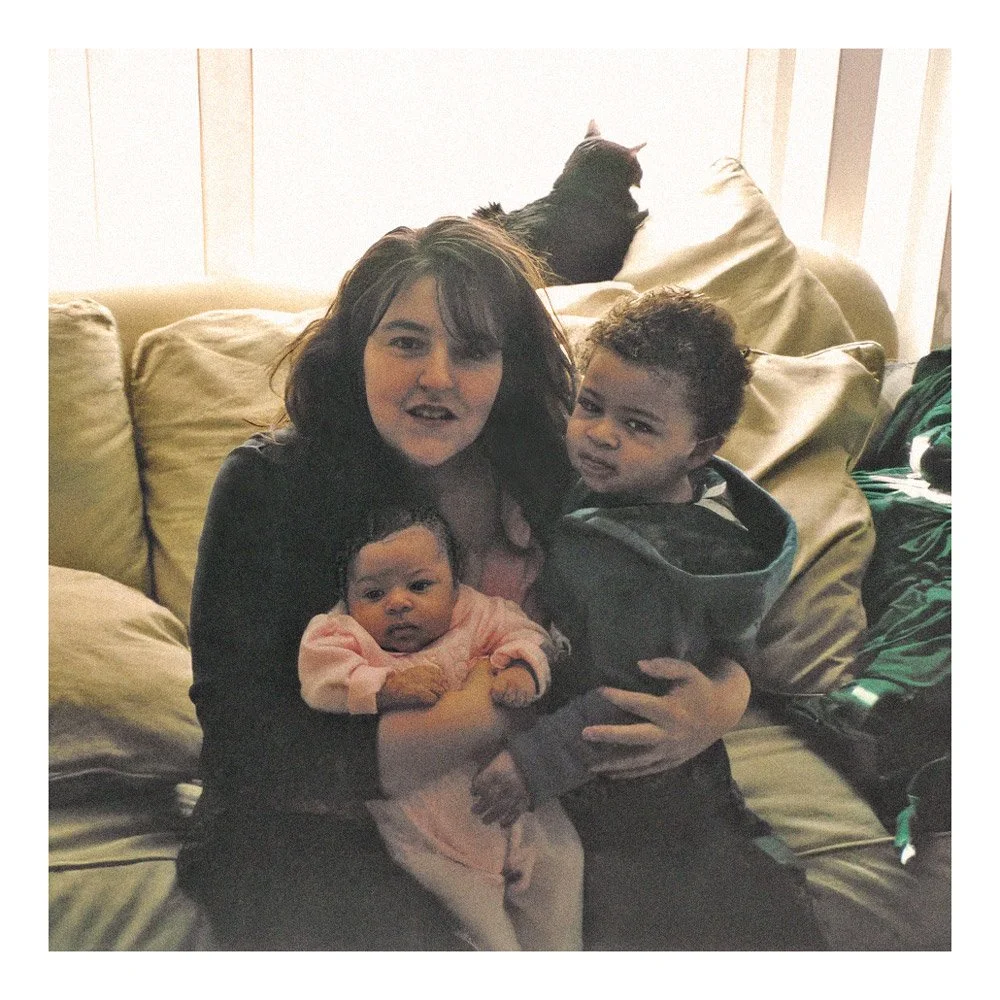
It was there that I blossomed as a qualitative researcher and scholar of race, ethnicity, gender, and sexuality, and began to understand that the questions driving my intellectual life were the same ones I had been living long before I had the language of sociology to name them.
I also became a mother. My two children, Jada and Chris, named in part to carry my brother's spirit forward, were born while I was in graduate school. I navigated dissertation defenses and diaper changes, faculty meetings and international field research, building a career and raising two children as a single mother. It was not easy or graceful, yet it was wonderfully imperfect for my family of three.
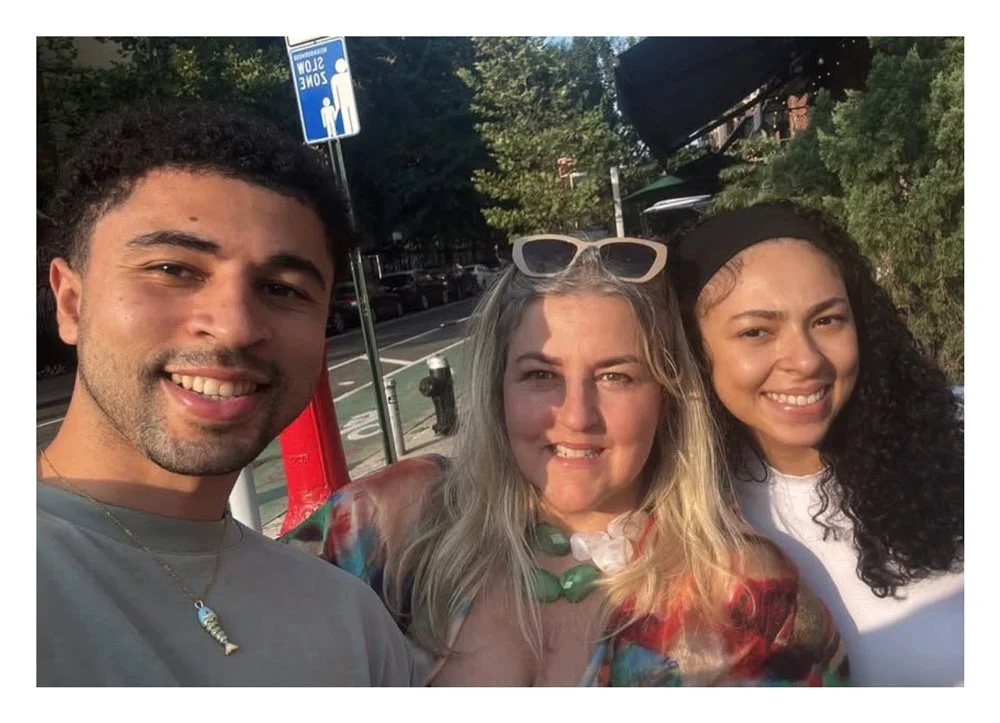
Raising Jada and Chris, and building a life that reflected my values rather than others' expectations, taught me firsthand what it costs to refuse the lines that families and communities draw.
These are boundaries around love, belonging, and who counts as kin. My research grew directly out of those struggles — the ones I witnessed in my community and lived inside my own family.
I share this not because my story is unique but because I know what it feels like to be pushed toward a path that was never yours, steered away from one's own passions by family pressure, obligation, or the quiet message that certain rooms were not built for you. To anyone who has ever been in that place, first generation, working class, grieving, exhausted, brilliant, and unsure: you belong. The winding path is still a path. Loss can be a beginning.
I chose Hunter College-CUNY because it is a place built for exactly those students, the student I was.
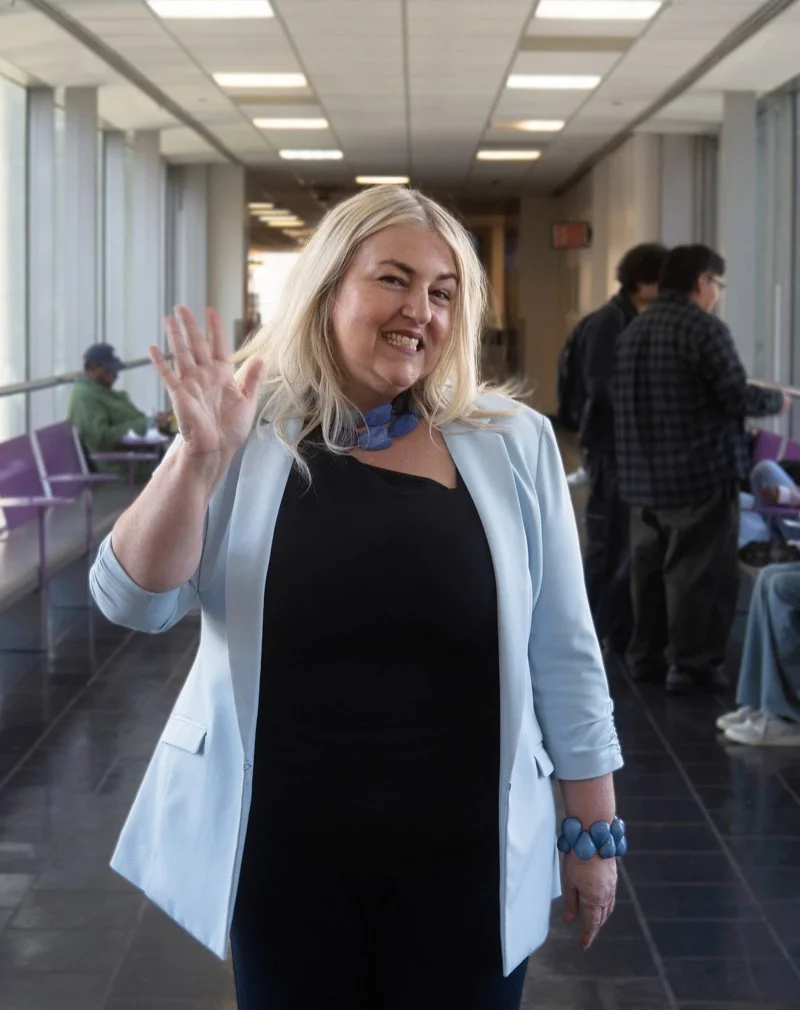
A public university that serves New York City in all its extraordinary diversity, Hunter has always understood that education is a pathway rather than a privilege, and that an institution's responsibility extends far beyond its own walls.
Serving as Ruth and Harold Newman Dean of Arts and Sciences here is more than a job. It is, in many ways, the kitchen table made larger — and made into what I always wished mine was. In my office sits a big pink conference table where faculty leave their books, colleagues drop off treats, and someone always seems to have added a sticker with an inspiring word to the center. It is inclusive, eclectic, and built in community. It is not so different from where I began, except that this time, everyone is welcome.