In Conversation
Erica Chito Childs speaks on race, desire, identity, public higher education, and the power of the humanities to make sense of a turbulent world.
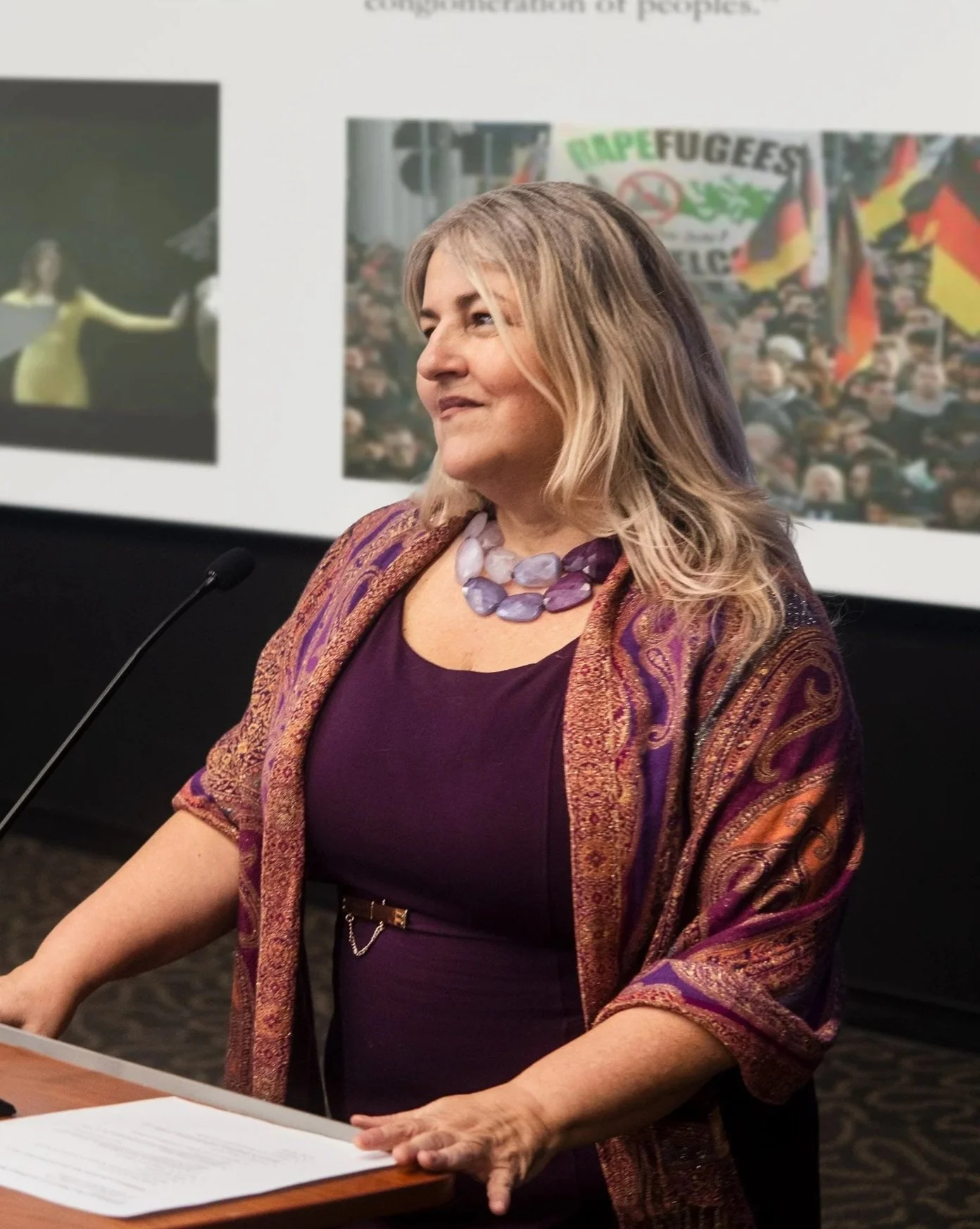
Some ideas belong on the page. Others need a room.
Drawing on nearly three decades of global research and a lifetime of navigating the borders she has spent her career studying, her talks are rigorous, personal, and memorable.
Below are topics on which she speaks and recent talks she has given. To inquire about availability or to invite Dean Chito Childs to speak at your institution, organization, or event, please reach out at Contact.
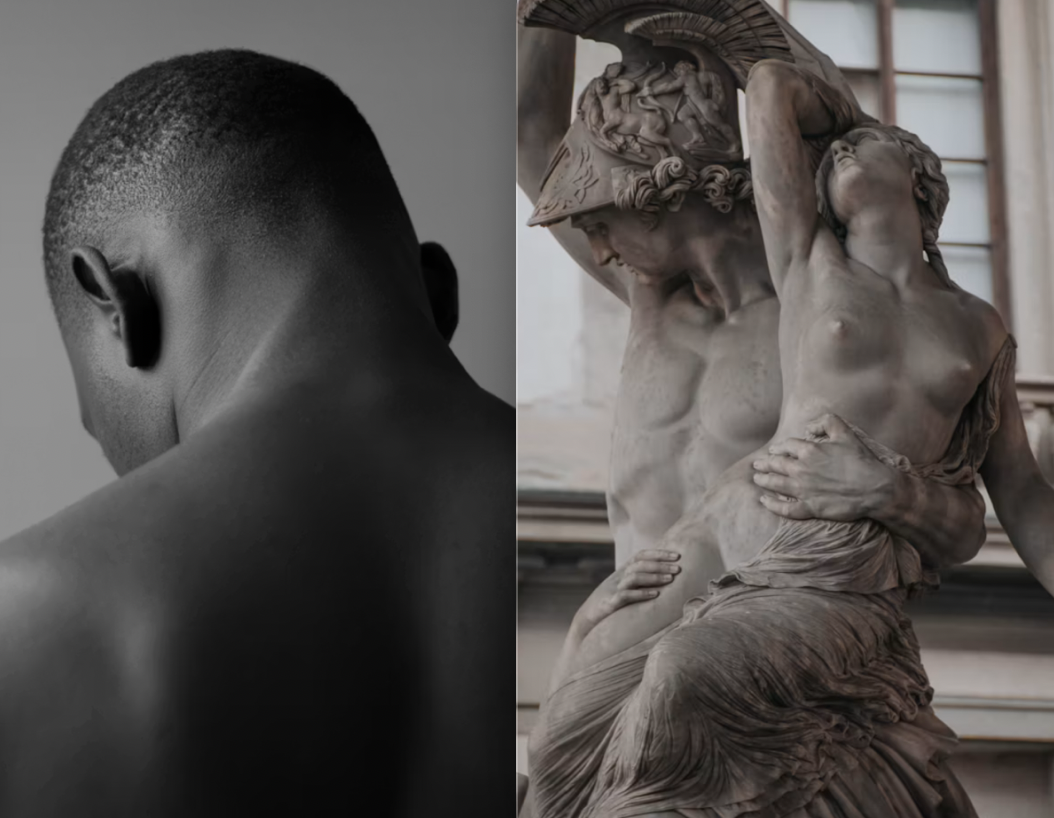
Hierarchies of Desire: Race, Power, and the Politics of Who We Are Taught to Want
In turbulent times, love becomes political. As nationalism surges, borders harden, and racial, ethnic, and religious ideologies resurface across the globe, the intimate choices individuals make — who to love, who to marry, which families to build — become sites of intense social regulation, political contestation, and personal resistance. Intermarriage, broadly understood to encompass unions that cross racial, ethnic, religious, national, and other socially constructed boundaries, sits at the intersection of the deeply personal and the profoundly structural. It is precisely at this intersection that some of the most consequential struggles over belonging, identity, and the boundaries of community are fought.
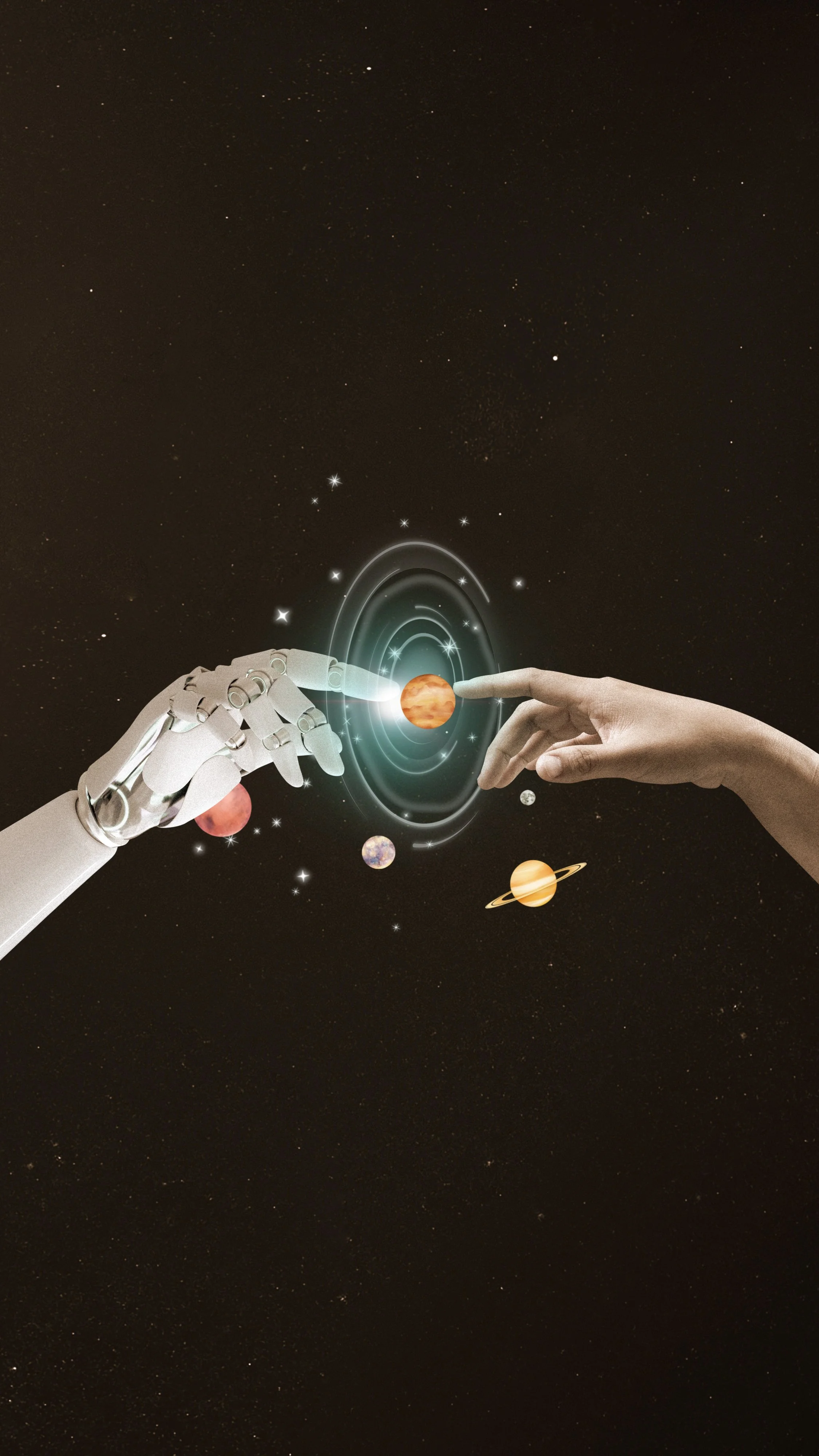
Humanities x Tech: Who Gets to Shape Artificial Intelligence and What Happens When We Get It Wrong?
Much of the conversation in higher education around AI involves how we will respond. Yet, the more important question is who gets to shape it, and whether universities are preparing students to be its architects rather than its subjects. Our answer to that question at Hunter College-CUNY is HUMANities x Tech, a year-long interdisciplinary series bringing together faculty from computer science, philosophy, sociology, film and media, music, Japanese studies, art and more to explore, interrogate, and reimagine emerging technology through the lens of cultural knowledge, creative expression and social justice.
-
The series serves as the proof of concept for a new interdisciplinary major currently in development, grounded in the conviction that technological systems are cultural systems, and that the most important questions about AI are not engineering problems but human ones. The major will pair computational literacy with storytelling, ethical reasoning, and interpretive analysis grounded in the Humanities/Arts/Social sciences.
To end, we will share what we have learned at our large urban public university serving majority first-generation students of color, arguing that public institutions are uniquely positioned to lead that work. Our students carry the lived knowledge of what it means to be shaped by systems not built for them. Therefore, by grounding AI education in the humanities, we identify structural solutions that higher education has been looking for.

The World We Share: Co-Creation, Community, and the Democratic Future of Public Higher Education
In an era of mounting pressure on higher education from geopolitical instability; technological disruption; and coordinated attacks on research funding, the humanities, and diversity and equity initiatives; the most politically powerful response available to universities is not defensive but transformative. What does it mean for public universities to take seriously their role as custodians and co-creators of our shared world, and the community-rooted institutions accountable to the people they exist to serve?
Drawing on the experience of a large, diverse public urban university serving one of the most economically, racially, and culturally heterogeneous cities in the world, we can examine and reimagine the university as a site of genuine community co-creation, public debate, and democratic renewal, and ask what this model offers for thinking about the future of higher education globally.
-
There are emerging institutional practices that together constitute a replicable model of publicly engaged higher education such as faculty-community partnership series that make visible and celebrate publicly engaged scholarship; humanities and technology initiatives that place human values, ethics, and narrative at the center of encounters with emerging technology; co-creation forums that bring faculty, students, and community stakeholders into genuine intellectual partnership rather than traditional service relationships; cluster hiring strategies designed to build interdisciplinary and community-rooted collaboration; and curriculum innovations that prepare students to engage critically and ethically with the challenges of their time.
These practices represent not simply innovative programming but a theory of knowledge and institutional governance that is collaborative rather than extractive, publicly accountable rather than institutionally self-serving, and rooted in the communities universities exist to serve. Together they position the university as a space for public debate, an active driver of social transformation, and a site of policy production grounded in community need. It resists projecting an idealized future while remaining committed to rigorous analysis of what genuinely transformative institutions actually do.
Connecting the urban American public university context to global conversations about the political roles of universities, this conversation situates the anchor institution and co-creation model within broader international debates about the future of public higher education.

Kissed by Klimt: Identity, Belonging, and the Meanings We Make
Dean Chito Childs grew up in a working-class home where her mother kept gold-trimmed knickknacks safely enshrined behind the glass of her beloved cristaleira, treated like sacred treasures. When she first saw a poster of Gustav Klimt's The Kiss in a mall store, sandwiched between a teen heartthrob and a movie release, she fell in love immediately and instinctively, the way you fall in love with something that speaks your language. That poster hung in her room through high school, college, and into graduate school, when she could finally afford a slightly more sophisticated print. In her mind, The Kiss belonged to her, a beautiful mix of her mother’s gold and a representation of her own interracial young love. Yet, it would take three degrees and a sabbatical before she felt she belonged in the Belvedere gallery in Vienna where the actual masterpiece hangs.
Art historians have long declared The Kiss a universal symbol of romantic love and human connection. But what does it mean that a painting declared universal speaks so differently to different people?
-
How does the same painting, hanging in its gilded frame in Vienna, get read as an interracial couple by one young girl, reimagined as a symbol of resistance by an artist from a marginalized community, and understood in countless other ways by the millions who have stood before it? What makes a work of art feel like yours? Who gets to decide what it means? And what happens when people who were never supposed to see themselves in the masterpiece find themselves there anyway?
In this talk, Dean Chito Childs explores the global obsession with Klimt's The Kiss and the very different meanings the painting holds for different people. Drawing on conversations with scholars who study Klimt, artists who have reimagined The Kiss in their own work, and the pilgrims who travel to Vienna just to stand before it, she uses her lifelong love affair with the painting to make the case that art becomes truly accessible not when institutions open their doors but when people find their own reflection inside it.
She examines how race, class, gender, and lived experience shape the way we encounter, interpret, and claim works of art that the world has agreed to call timeless, and why the meanings that come from the margins are often the most revealing of all. The painting does not change. We do. And the meanings we make of it tell us everything about who we are and what we have been taught to believe we deserve.